

Lugo · MIHL (Museo Interactivo de la Historia de Lugo) · 2026
Wallaceand the Originof Species
The naturalist who changed our understanding of life on Earth
Who was Wallace
Wallace: the other father of the
theory of evolution by natural selection
Alfred Russel Wallace (1823–1913) was a Welsh naturalist, explorer and geographer. During his expeditions through the Amazon and the Malay Archipelago, he collected more than 125,000 specimens and contributed to the description of numerous new species for science.
Independently of Charles Darwin, he formulated the theory of natural selection as a mechanism of evolution. The letter he sent to Darwin from the island of Ternate in 1858 led to the joint presentation of the works of both naturalists before the Linnean Society of London, in one of the most relevant episodes in the history of science.
Today, Wallace is considered one of the great scientific explorers of the 19th century and a key figure in understanding biodiversity and the evolution of life on Earth.
Learn about his life
Wallace's Biodiversity
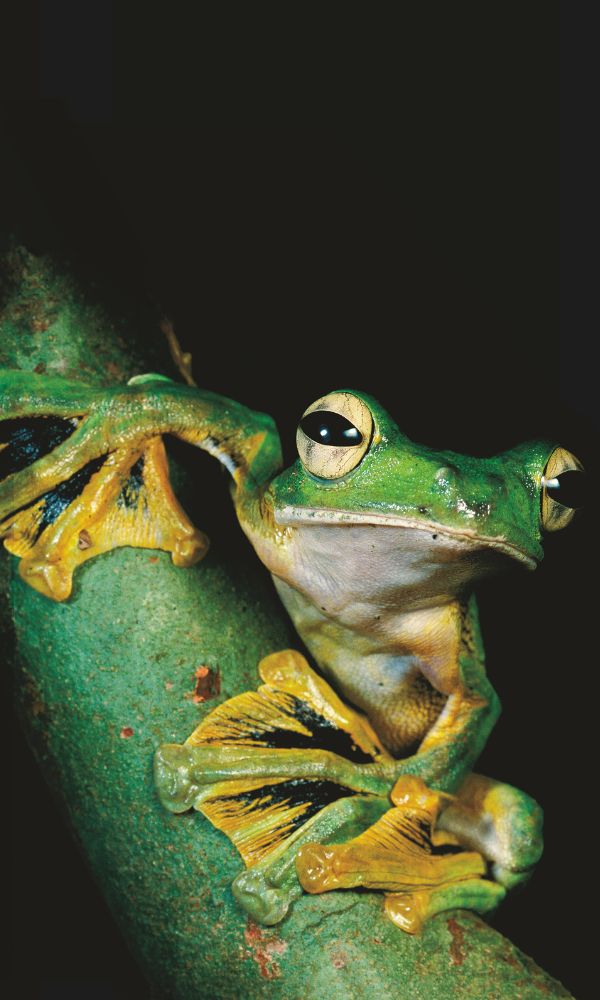
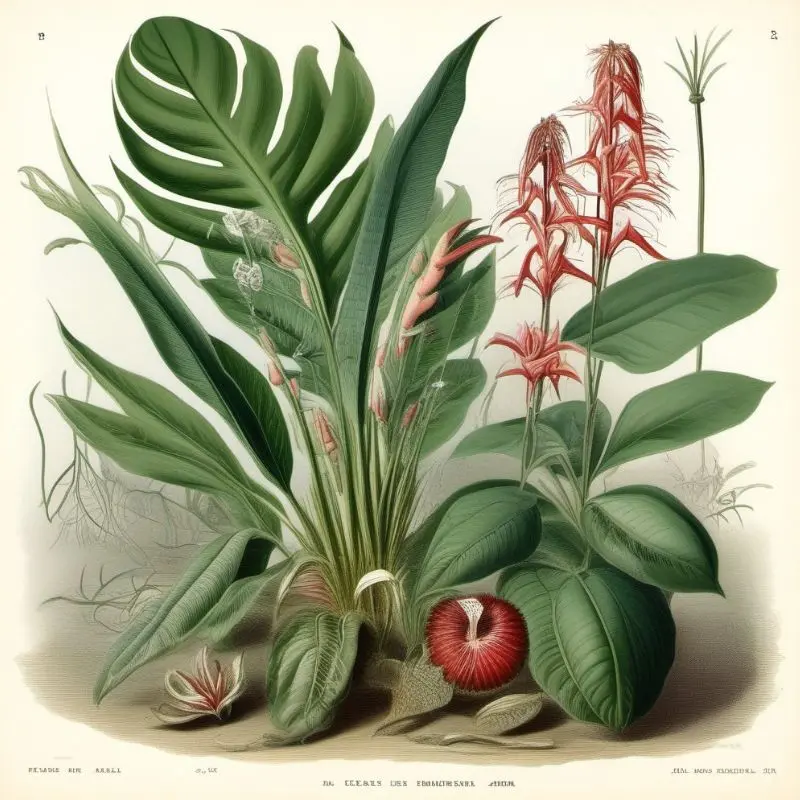
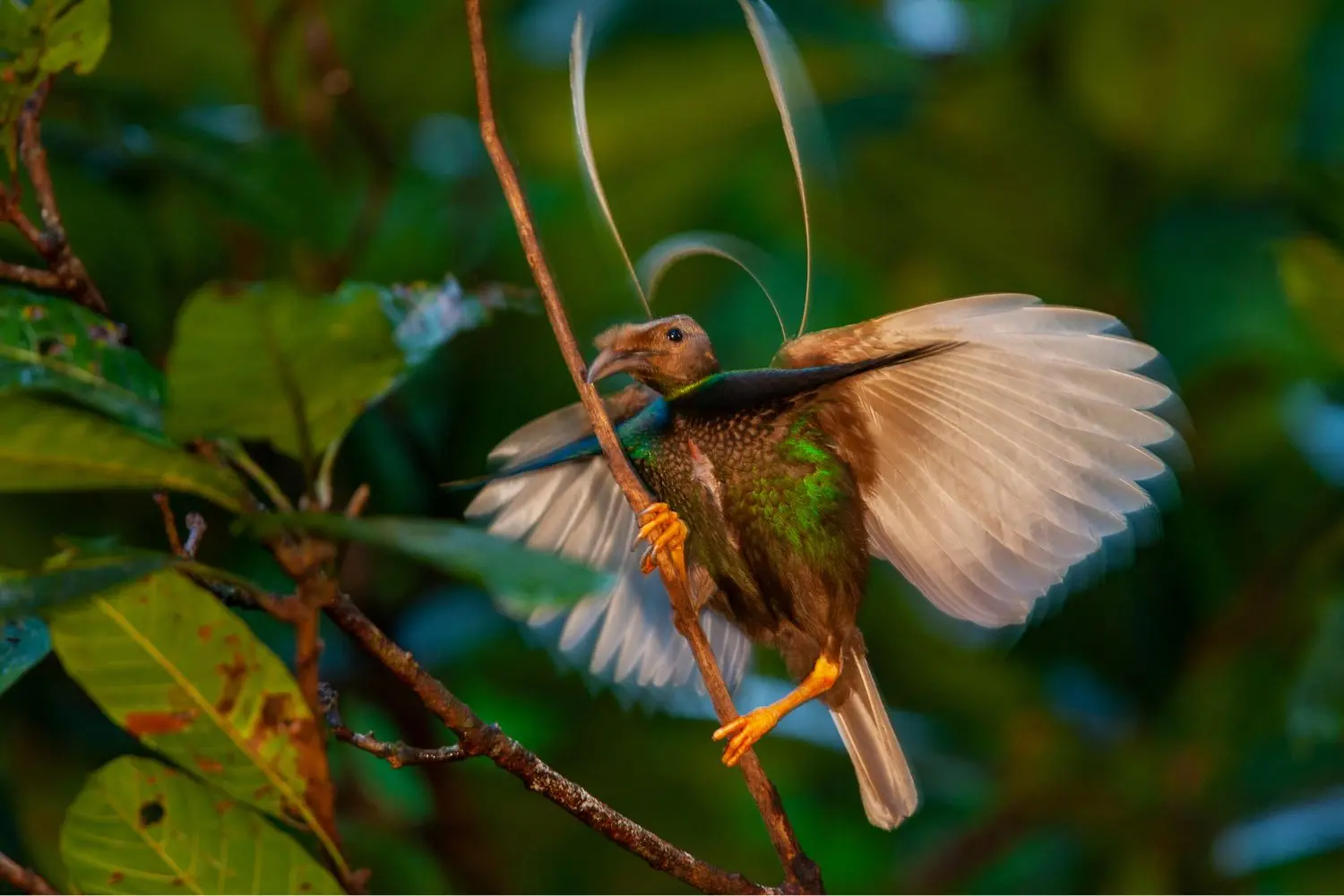
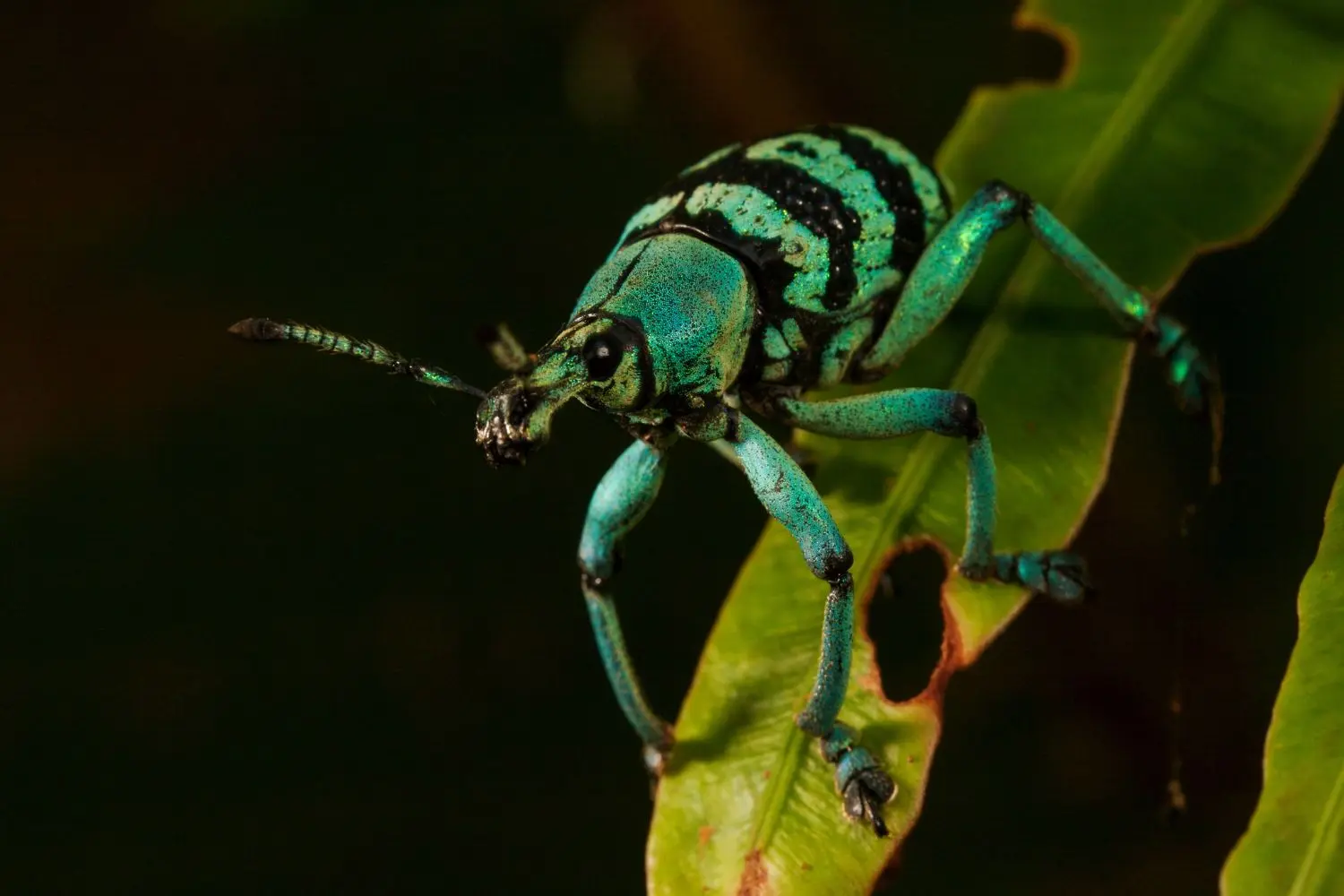
Specimens from the Tropical World
More than 125,000 specimens collected during eight years of exploration of the Malay Archipelago.
La Exposición
Science, nature and exploration
in a single space.
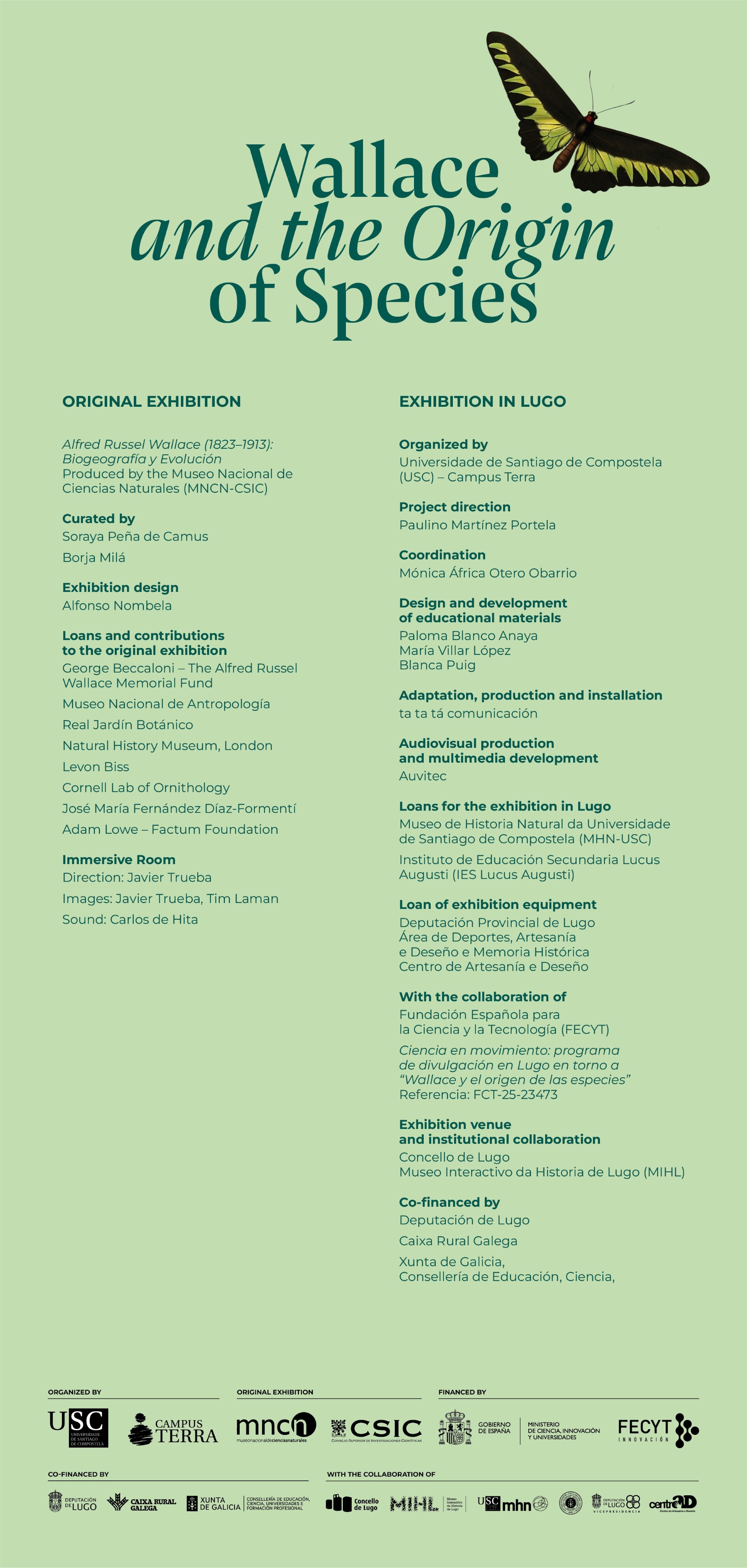
The exhibition is on loan from the National Museum of Natural Sciences (CSIC) and organized by ACUIGEN and RODA, two research groups from the University of Santiago de Compostela specializing, respectively, in genetics and in science communication and education. It is sponsored by the Lugo City Council and Caixa Rural Galega, with the collaboration of the USC Museum of Natural History and the IES Lucus Augusti Historical Museum.
Panels and Graphic Resources
Maps of the expeditions, exploration routes, and a representation of the Wallace Line.
Historical Pieces
The exhibition brings together a selection of documents, illustrations, scientific materials, and specimens from the collections of the National Museum of Natural Sciences (CSIC), including birds, butterflies, mammals, and other items of particular historical and scientific interest. The display is complemented by specimens and resources on loan from the USC Natural History Museum and IES Lucus Augusti.
Audiovisual Resources
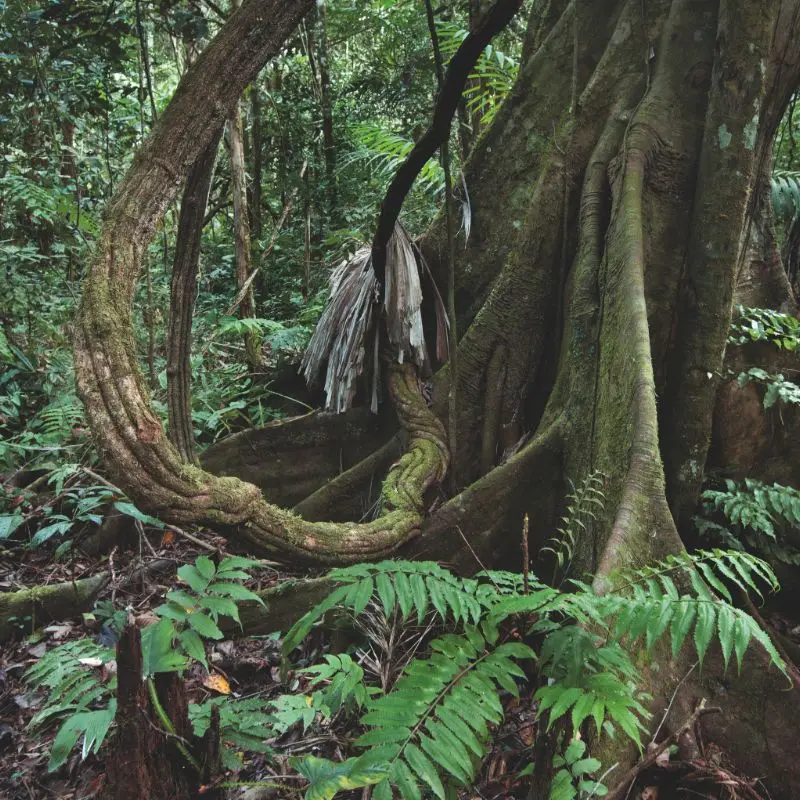
Immersive projections and an educational documentary inspired by the landscapes of the Amazon and the Malay Archipelago that Alfred Russel Wallace explored during his scientific expeditions.
Teaching Materials
Hands-on activities for children aged 5 to 9, developed in collaboration with the MIHL Educational Department. Exploration, discovery, and science through play.

Foundational Work
The Malay Archipelago:
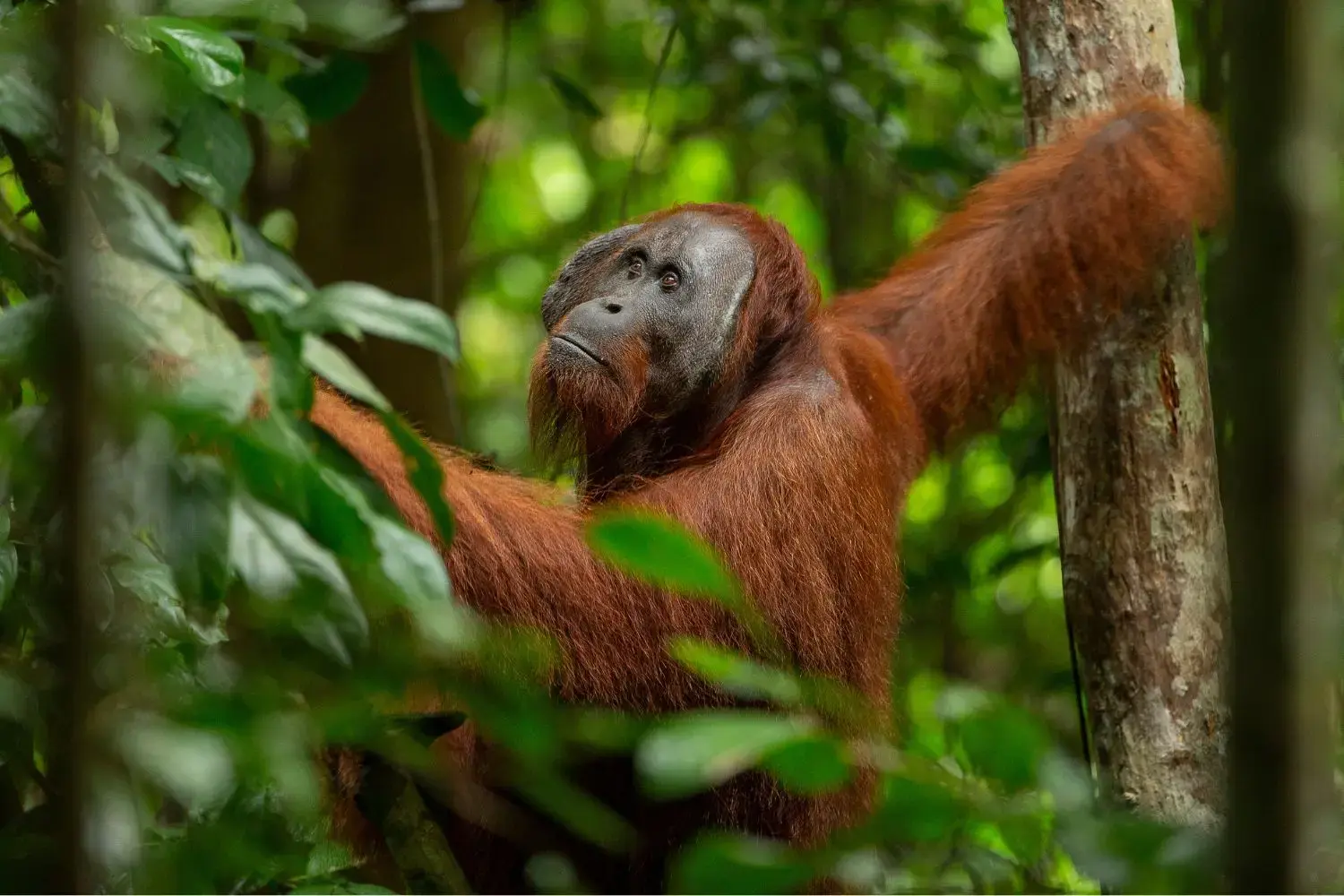
The Land of the Orangutan
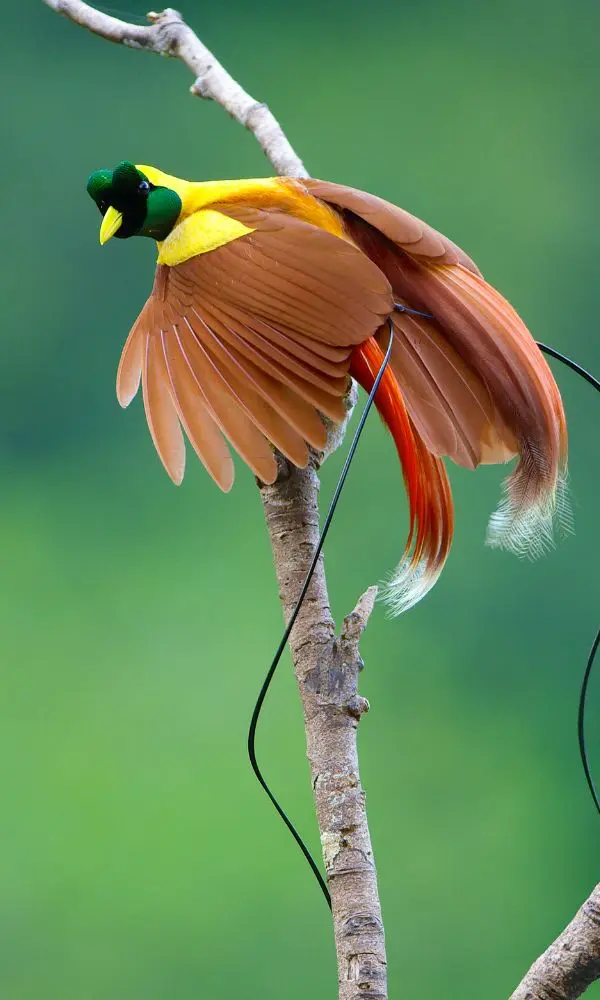
and the Bird of Paradise
Wallace's most famous book chronicles his eight-year expeditions through the Malay Archipelago (1854–1862), during which he collected more than 125,000 specimens and formulated the line that today bears his name.: the Wallace Line, that separates the faunas of Asia and Australasia.
Dedicated to his friend and colleague Charles Darwin
View the exhibition
specimens collected by Wallace during
8 years of exploration of the Malay Archipelago
Program of Activities
Beyond the exhibition
A comprehensive science outreach program centered on the exhibition, open to the general public and featuring activities specially designed for educational institutions.
Guided School Tours
Visit program for Galician schools, covering grades 5º EP through 2º Bachillerato. Volunteer guides from Campus Terra, trained by MNCN curators.
Book a visitChildren's Workshops
Hands-on activities for children aged 5 to 9, developed in collaboration with the MIHL Education Department. Exploration, discovery and science through play. Reservations for this activity are handled directly by the MIHL via email at museo.mihl@lugo.gal.
More informationLecture Series
Five encounters with renowned researchers and science communicators to explore some of the great questions of natural history and modern biology: evolution, genetics, biodiversity, scientific exploration and the communication of knowledge. The series will bring together specialists from the fields of academia, museums, and science communication in a program that is free and open to the general public.
View datesScientific Cinema
A journey through the theory of evolution via cinema. Documentaries and films exploring the diversity of life, the history of science and the legacy of Darwin and Wallace. Activities open to the general public, free of charge.
ProgramaciónLectures at Campus Terra
Academic meetings with national and international researchers at the University of Santiago de Compostela (Lugo Campus).
More informationEducational Materials
Resources developed by the USC's RODA group to facilitate preparatory and follow-up classroom activities. Free download for educational institutions.
DownloadChronology
Wallace's
Great Milestones

Project promoters
Research group
ACUIGEN
The project is driven by the research group ACUIGEN (GI-1251) from the University of Santiago de Compostela, coordinated by Paulino Martínez Portela, Professor of Genetics at the Terra Campus.
With over three decades of experience in genetics and genomics, ACUIGEN maintains a firm commitment to the dissemination of scientific knowledge — driving initiatives such as A zebra in the water or Science Regueifas — to make science an accessible resource connected to society.
More informationLugo · September 2026
Come and discoverthe historyof Wallace
A unique exhibition in Galicia about the naturalist who forever changed our understanding of life on Earth. Free admission for all audiences.
MIHL · Lugo · Galicia · Coordinated by the USC Terra Campus · Produced by the MNCN-CSIC